The Casino as a Crucible of Decision-Making
The casino, at its core, is a theatre for calculated risks and probabilistic outcomes. Beyond the allure of flashing lights and the thrill of potential winnings, lies a profound exploration of human decision-making under conditions of uncertainty. Players constantly engage in a form of philosophical gamble, weighing the perceived value of a bet against its inherent risk, informed by intuition, strategy, and often, a deep-seated belief in luck. This dynamic environment allows individuals to test their theories about chance and consequence in a tangible, albeit simulated, reality, and you can learn more about responsible betting at https://winthere-bet.org.uk/.
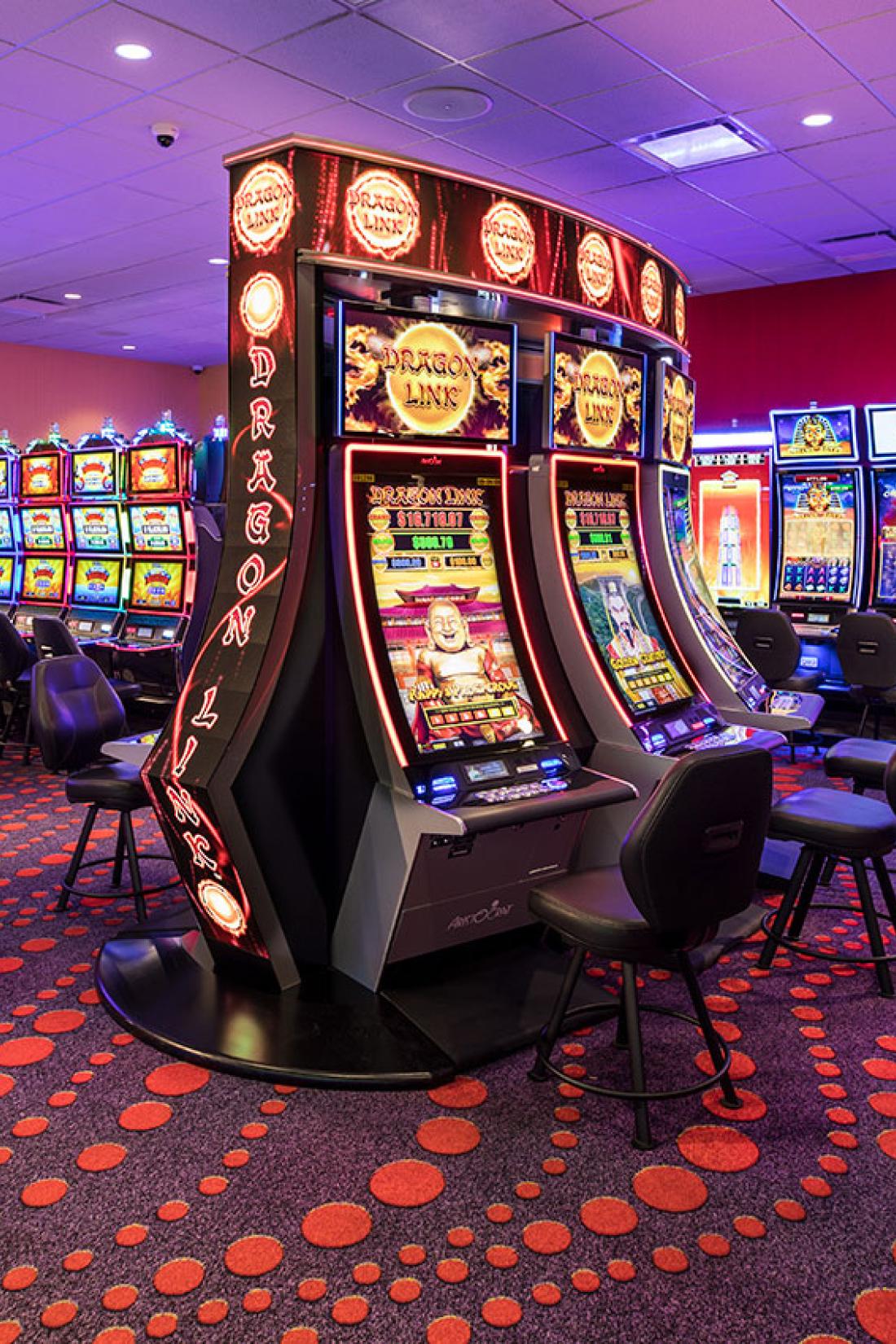
The very act of placing a wager, whether it’s a simple roulette spin or a complex poker hand, requires an individual to confront their tolerance for risk and their ability to process information rapidly. It’s a practical exercise in Bayesian inference, where prior beliefs are updated based on new evidence – the spin of the wheel, the turn of a card. In this sense, the casino offers a unique laboratory for observing and experiencing the interplay between rational thought and emotional response when faced with the unpredictable nature of fate.
Probability, Psychology, and the House Edge
Understanding the mathematical underpinnings of casino games is crucial for any discerning player. The concept of the “house edge” is not merely a statistical anomaly; it’s a fundamental principle that ensures the long-term profitability of the establishment. For players, this translates to an ever-present challenge: how to navigate a system where, statistically, the odds are always in favour of the casino. This awareness can foster a more responsible approach to gambling, shifting the focus from guaranteed wins to strategic play and entertainment value.
The psychological aspect of casino gambling is equally compelling. The near-miss phenomenon, the gambler’s fallacy, and the intoxicating rush of a win can all profoundly influence judgment. These cognitive biases often lead players to make irrational decisions, further tipping the scales in favour of the house. Recognizing these psychological pitfalls is a vital step in maintaining control and ensuring that the casino experience remains an enjoyable one, rather than a descent into a cycle of wishful thinking and diminishing returns.
The Ethics of the Gamble: Responsibility and Entertainment
Engaging with the casino involves more than just financial transactions; it touches upon ethical considerations regarding responsible play. The thrill of the gamble can be an engaging form of entertainment, but it is imperative that this entertainment is pursued within healthy boundaries. Responsible gambling frameworks, often championed by organizations dedicated to player welfare, emphasize the importance of setting limits, understanding the risks, and seeking help if gambling becomes problematic. The philosophical gamble, in this context, is also about the ethical gamble of self-regulation.
The debate around the ethics of casinos often centres on their societal impact. While they provide entertainment and generate revenue, concerns about addiction and financial hardship are valid. Responsible operators and regulatory bodies strive to mitigate these negative consequences. For players, the ethical dimension lies in approaching the casino with integrity, respecting the rules, and acknowledging the potential for harm. This mindful engagement transforms the casino from a mere venue for chance into a space where personal responsibility and ethical conduct are paramount.
Strategic Approaches to Mitigating Risk
While no strategy can overcome the inherent house edge in most casino games, certain approaches can enhance the player’s experience and potentially extend playing time. This involves a deep understanding of the specific game being played, from the probabilities in blackjack to the betting patterns in baccarat. For instance, mastering basic blackjack strategy can significantly reduce the house advantage, offering players a more competitive chance. Similarly, in poker, skill and strategic play can often outweigh pure luck over the long term.
Beyond game-specific tactics, a broader strategic approach involves bankroll management and emotional control. Players who set strict budgets for their gambling sessions and adhere to them are far less likely to suffer devastating losses. Furthermore, learning to detach emotionally from wins and losses, recognizing them as part of the game’s ebb and flow, is crucial. This disciplined mindset allows for more rational decision-making and a more sustainable engagement with the casino environment. Such strategic thinking aligns with the principles of responsible play advocated by sites focused on positive betting experiences.

WinThere-Bet: Navigating the UK Casino Landscape Responsibly
Within the United Kingdom’s regulated online casino environment, platforms like WinThere-Bet.org.uk aim to provide resources and guidance for those interested in the world of betting. Such organizations often focus on promoting responsible gambling practices, offering insights into game mechanics, and highlighting the importance of informed decision-making. Their mission typically involves demystifying the casino experience, ensuring that individuals can engage with betting activities in a safe and enjoyable manner.
WinThere-Bet, as suggested by its domain, likely serves as an informational hub, emphasizing the “winning there” aspect not necessarily as guaranteed success, but as achieving a positive and controlled experience. This includes educating users about the probabilities, the psychological factors, and the ethical considerations involved in casino games. By providing access to reliable information and promoting a culture of responsible play, organizations like WinThere-Bet contribute to a healthier and more transparent gambling ecosystem within the UK.